ABOUT KAREN
Award-Winning
Journalist
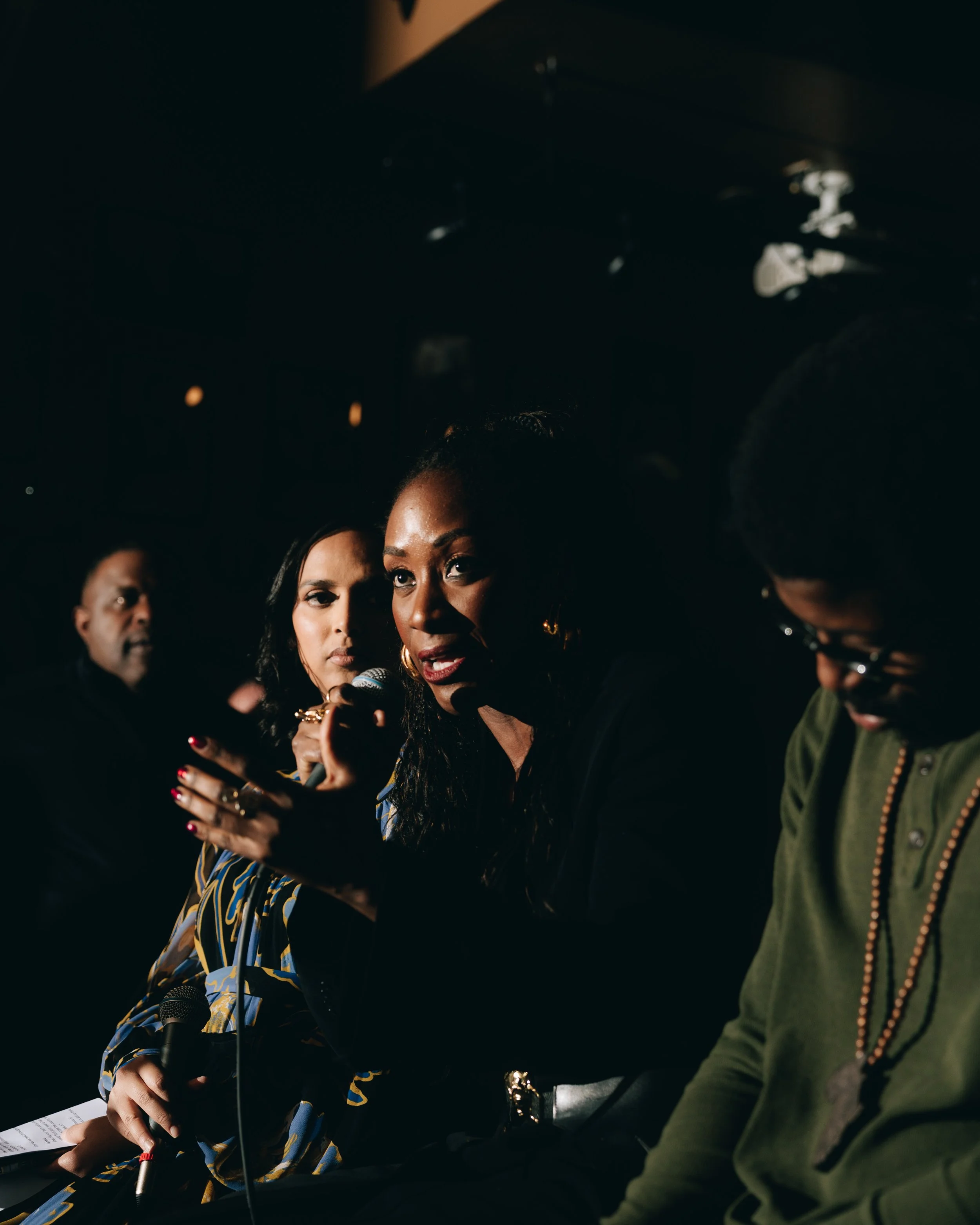
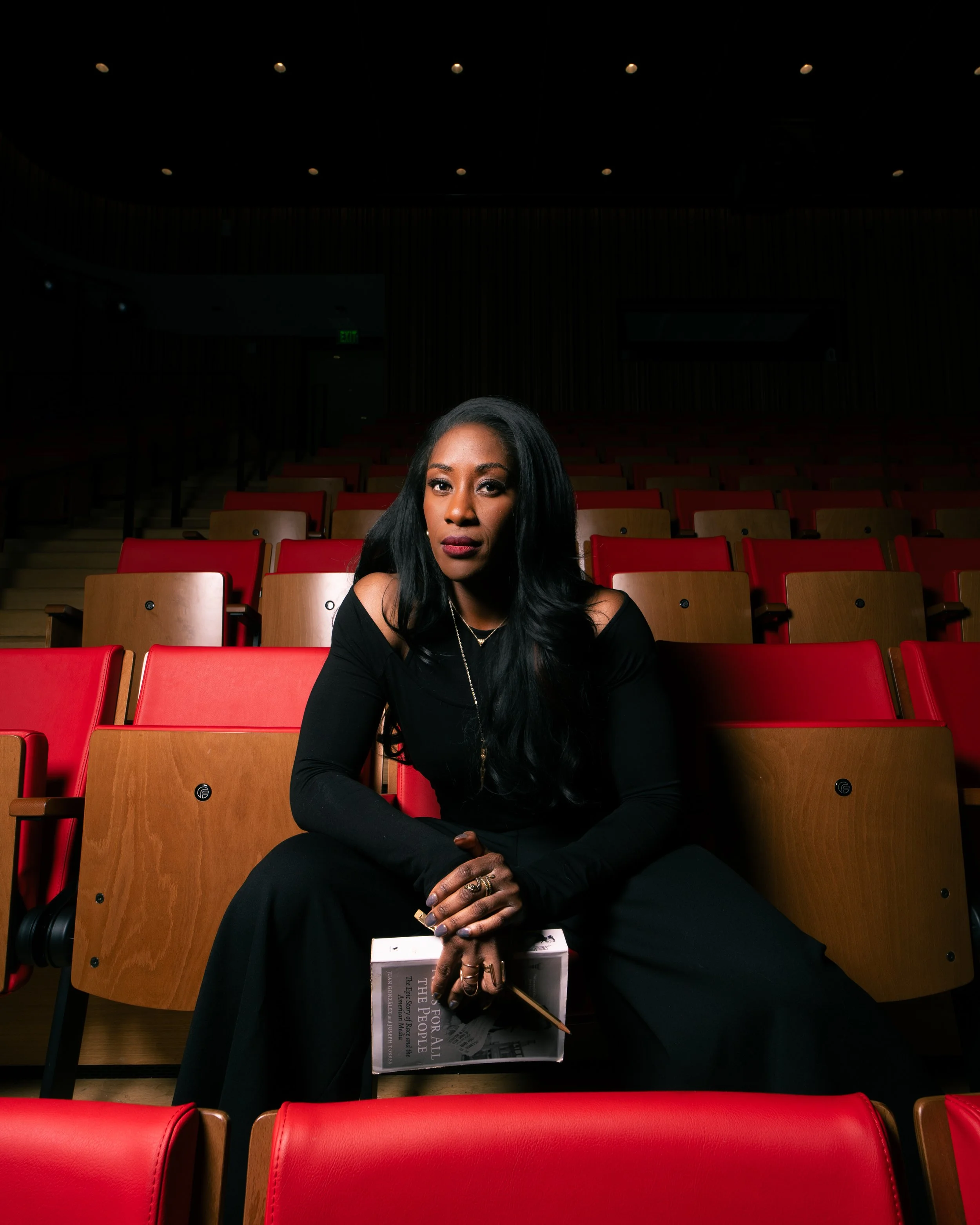
Karen Attiah is an award-winning journalist, editor, and global thought leader whose work explores the intersections of race, culture, gender, media, and international affairs. Born and raised in DeSoto, Texas to a Nigerian-Ghanaian mother and Ghanaian father, her commitment to international storytelling and human rights was ignited at 19 during a formative summer studying in Spain.
A graduate of Columbia University’s School of International and Public Affairs and Northwestern University, Attiah is a former adjunct lecturer at Columbia, where she brought global expertise and academic rigor to her teaching. A former Fulbright Scholar to Ghana, she has reported from across the world, including Nigeria, Germany, and Curaçao. Her commentary and reporting have appeared in major international outlets such as the Associated Press, Al Jazeera, and Voice of America.
Attiah was formerly a columnist for The Washington Post and holds an honorary doctorate in journalism from Dickinson College.
RECOGNITION
Awards & Honors.
A partial accounting — the work has been recognized in journalism, scholarship, and public life.
-
I.
George Polk Award
-
II.
NABJ Journalist of the Year
-
III.
Harriet Beecher Stowe Award
-
IV.
Essence Woke 100
-
V.
The Root 100
How Resistance Studies Series Started
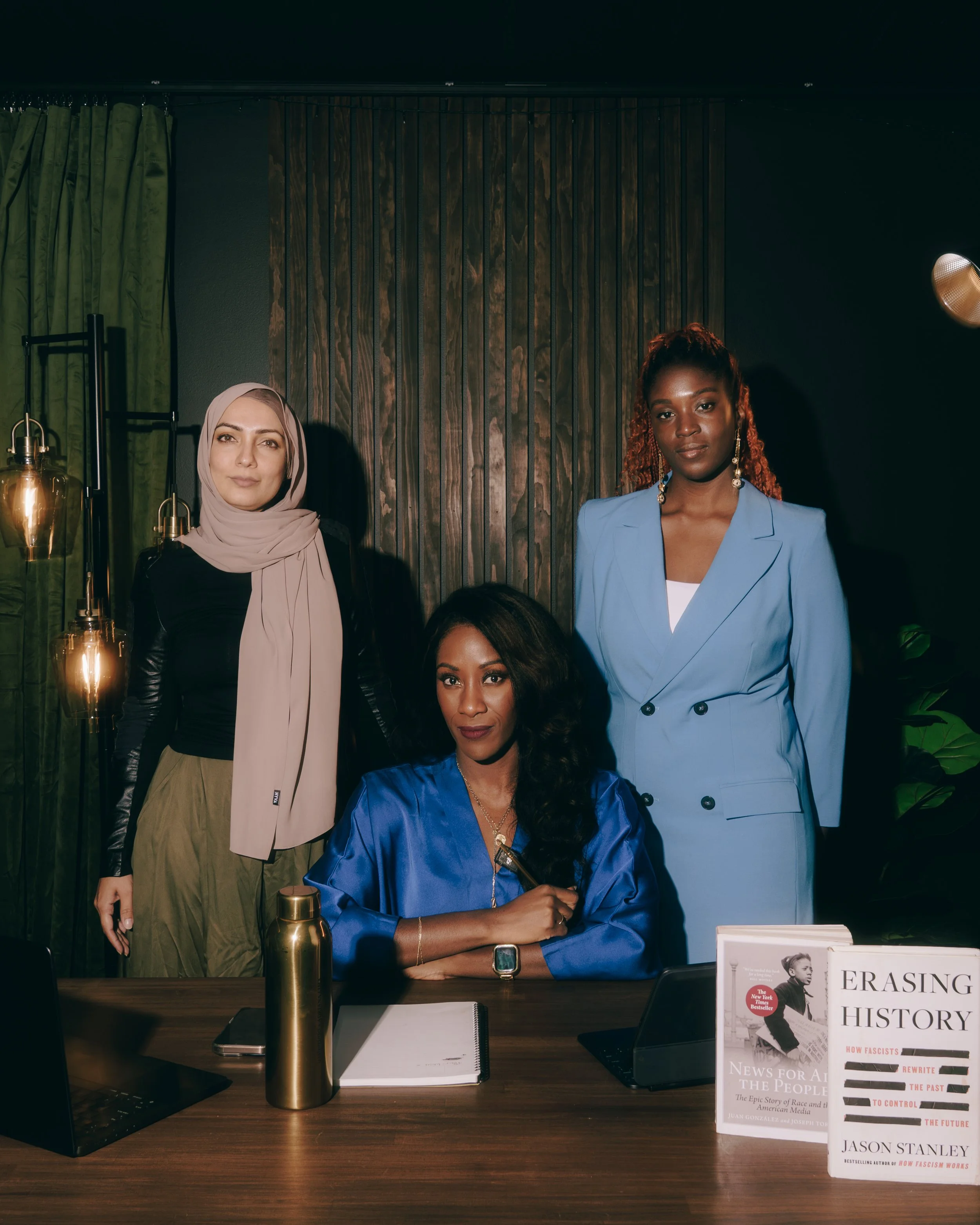
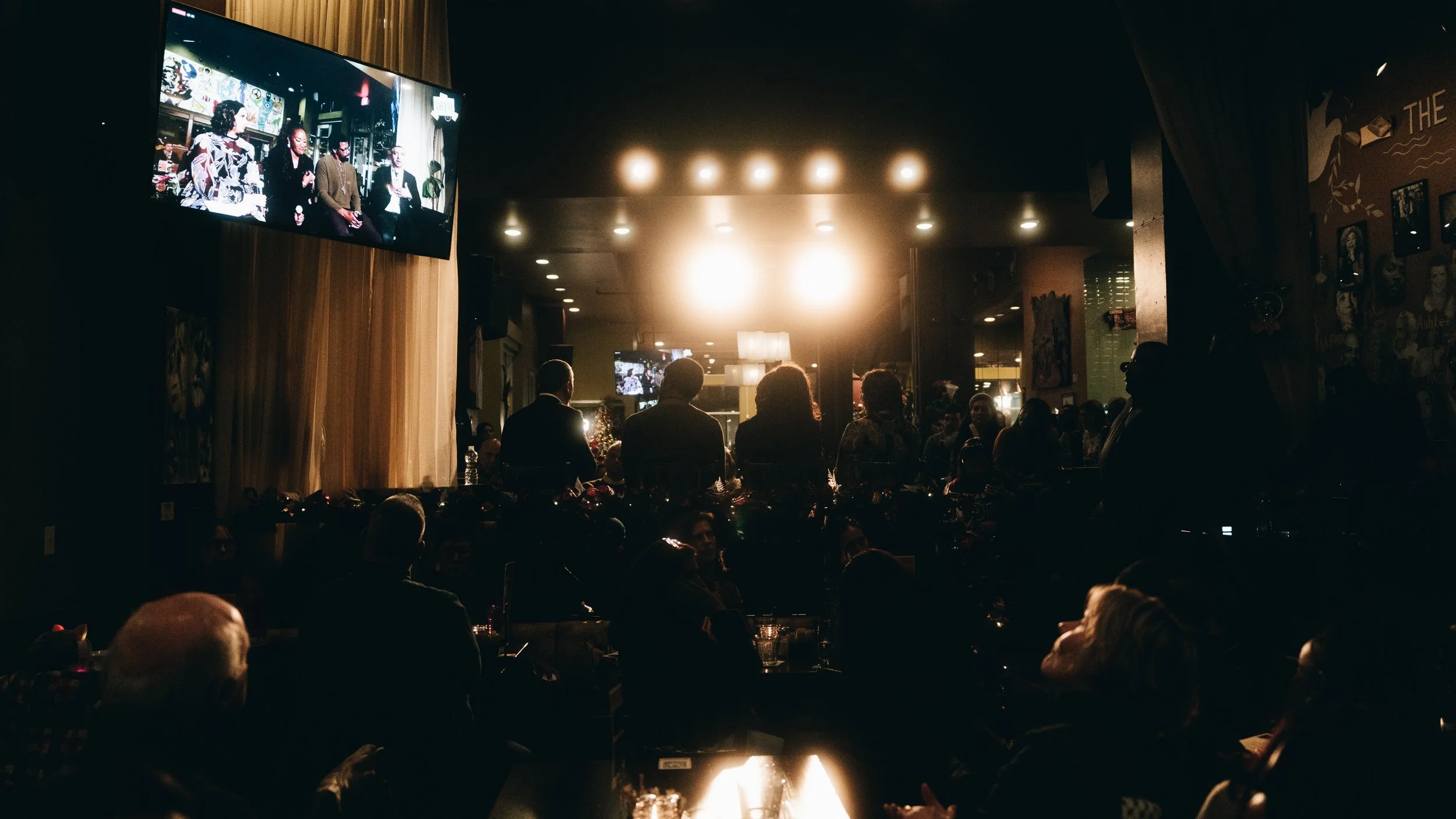
Resistance Studies Series launched in the Summer of 2025 as Resistance Summer School in the wake of Columbia University’s decision to cancel the original graduate-level course — at a time when teaching about race, imperialism, and global power is increasingly contested.
Rather than retreat, Attiah turned the moment into an opportunity: to build a parallel structure for radical learning, rooted in community, accessibility, and intellectual freedom.
What began as institutional erasure became an act of creation — and a blueprint for liberatory education beyond the academy.